Tükendi
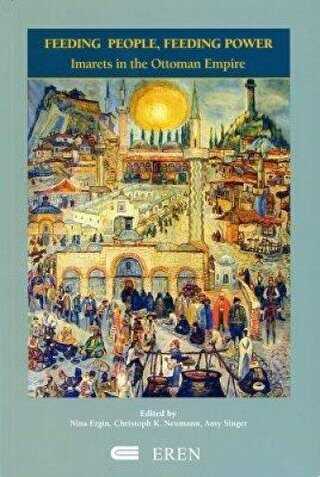
Gelince Haber VerImarets have long been recognized as one signature instution of the Ottoman Empire. These public kitchens were typicallay located in mosqu complexes or mutli-structured complexes, which included some or all of the following buildings; mosque, medrese- mekteb, tomb, caravansaray, sufi tekke ( or tekye), hospital, bath, market and other structures associated with the social, economic and cultural life of the population, usually in an urban setting.
Studying imarets is yet another way to explore the Ottoman vision of conquest, empire-building and imperial rule. The imarets were part of the multiple Ottomon provisioning systems supporting the imperial palaces, military campaigns, cities and the annual hajj caravan to Mecca and Medina. The public kitchens operated in a society where the state and beneficient institutions held a continual and considerable role in contributing to the daily subsistence of all kinds of individuals. Ultimately, the Ottoman Sultan`s preoccupation with food was in part an outgrowth of his political and military capacities and his general responsibility to provide for his subjects.
Although the precise dynamic of the emergence of imarets as a distinct institutional form is a process that remains to be traced, it was clearly a confluence of historical practices, together with the demands placed on the early Ottoman sultanate, that gave rise to the particular form of the imaret. Evliya Çelebi remarked that in all his travels he saw "nothing like our enviable institution.